



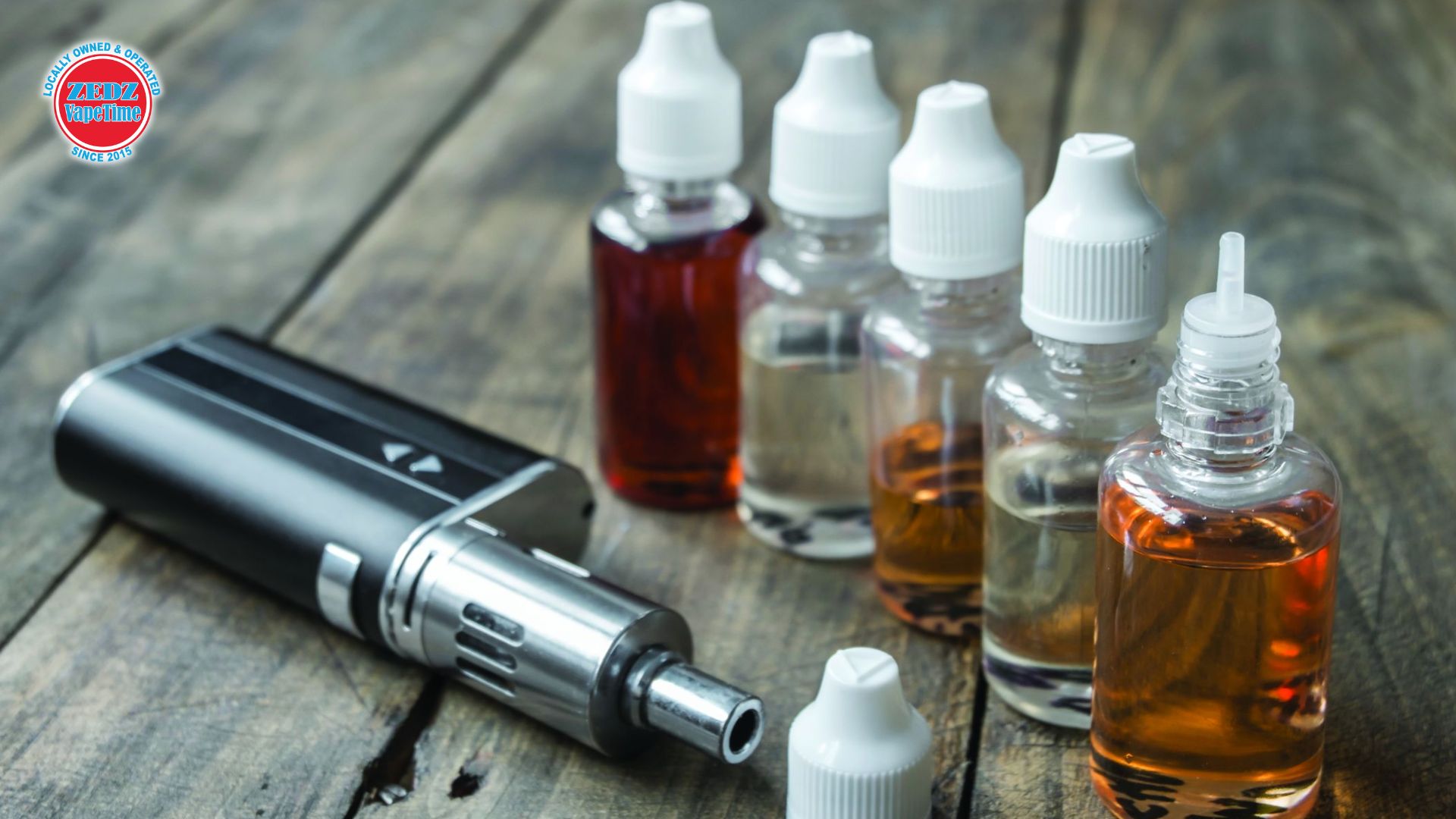
If you smoke or vape, quitting is one of the best things you can do for your health. However, the process is not always easy. When many people quit nicotine, they notice changes in their body and psyche. These changes are referred to as Nicotine Withdrawal Symptoms.
This is because your body develops an addiction to nicotine as time goes on. When you stop, your brain and neurological system require time to adjust. The good news is that these symptoms are transient and improve with time and care.
What Are the Signs of Nicotine Withdrawal?
Nicotine withdrawal symptoms are physical and mental repercussions that occur after abruptly stopping nicotine use. Moreover, nicotine stimulates the brain’s reward system, and the body reacts when it’s taken away.
These symptoms can start a few hours after your last cigarette or vape. In fact, they are normally strongest during the first several days and then steadily improve.
Signs include:
- Powerful desire for nicotine
- Irritability, mood fluctuations
- Nervousness or restlessness
- Trouble focusing
- Headache
- Increased appetite or hunger
- Insomnia or trouble sleeping
However, not everyone feels the same intensity. Some people will experience milder symptoms, and some people will experience harsher effects based on their history of use.
Why Do Nicotine Withdrawal SymptomsOccur?
Nicotine changes the amount of dopamine in the brain. In other words, dopamine is the neurotransmitter that makes you feel good and rewarded.
Your brain starts depending on nicotine to release dopamine when you use it daily. As a result, this promotes reliance over time. When you stop suddenly, dopamine levels plummet, and your brain has trouble adjusting.
Therefore, these withdrawal symptoms result from this imbalance. This is not an indicator of damage. Instead, it’s a typical healing process as your brain strives to reestablish balance without nicotine.
Nicotine Withdrawal Timeline
Understanding the timeline helps you prepare for what’s coming.
First 24 Hrs
On the first day, your body begins to shed nicotine. You may get early cravings, mood swings, and a bit of irritation.
Day 2 – 3
Often, symptoms are at their worst at this point. The urges get greater. You may also feel headaches, nervousness, and difficulty sleeping.
Week 1–2
Meanwhile, the physical symptoms are progressively disappearing. You may still have cravings, but they won’t be as strong. The mood and energy level begin to rise.
Week 3–4
Gradually, most physical Nicotine Withdrawal Symptoms lessen greatly. You may still have an emotional craving from time to time, but it’s easier to deal with.
Post 1 Month
Eventually, many individuals feel much better. Your body continues to mend. Cravings grow less frequent and less intense over time.
How to Cope with Nicotine Withdrawal Symptoms
There’s no way to escape withdrawal, but you may manage it well with good behaviors.
1. Drink lots of water
Water helps keep your body hydrated and supports natural cleansing processes.
2. Be Physically Active
In addition, exercise increases mood and relieves stress. A little walk every day can help lessen cravings.
3. Consume Healthy Foods
Also, have balanced meals with fruits, vegetables, and protein. Avoid eating too much sugar or processed foods.
4. Keep Your Hands Occupied
Cravings often come from habits. Therefore, keeping your hands busy can reduce the urge to smoke or vape.
5. Get Enough Sleep
Sleep allows your brain to rejuvenate and increase emotional control.
6. Stay away from triggers
Finally, avoid triggers – people, places, or habits that make you want to smoke or vape.
These simple measures will make Nicotine Withdrawal Symptoms simpler to cope with.
Withdrawal Emotional Effects
Nicotine affects both body and psyche. That’s why withdrawal has an emotional component.
You might feel:
- Irritation or frustration
- Nervousness or anxiety
- Depressed mood
- Can’t focus
- Restless
These emotional Nicotine Withdrawal Symptoms are typical. In fact, they occur as your brain adjusts to decreasing dopamine levels.
Additionally, it can help to talk to someone you trust. Having the support of friends, family, or experts can help make the process smoother and less stressful.
Tips to Stay Motivated
The key is patience and persistence in staying nicotine-free. Moreover, motivation is crucial to success.
- Remember the reasons you quit
- Track your progress daily
- Celebrate minor victories
- Save money you would have used on nicotine
- Be more energetic and breathe better
Every day without nicotine is a day your body heals and becomes stronger.
When to Get Help?
These withdrawal symptoms might be overwhelming at times. Therefore, if you are feeling excessively anxious, depressed, or unable to cope, you must seek treatment.
You may reach us at:
- A physician
- Therapists
- A program to help you quit smoking
- Counselor or support group
Importantly, it’s not a sign of weakness to ask for aid. It’s a huge step toward long-term rehabilitation.
The Long-Term Advantages of Stopping Nicotine
At first, it may seem tough to pull back, but the rewards are long-term and powerful.
Many folks realize after quitting:
- Improved breathing and lung function
- Better heart health
- More energy levels
- Better sleep quality
- Skin clarity
- Enhanced immune system
As time goes on and your body heals fully, these benefits may continue to improve.
Want A Smooth Transition?
Having the correct assistance can make it simpler if you are attempting to cut down or quit using nicotine. Therefore, explore a variety of vape goods from Zedz Vape Time that can help you control your nicotine intake and assist you on your path.
Visit ZEDZ VAPE TIME now and pick the products that suit your lifestyle and help you on your way to greater balance.
Frequently Asked Questions – FAQs
1. How long do nicotine withdrawal symptoms last?
Most effects will last 1 to 4 weeks depending on use and health.
2. What are the initial symptoms of nicotine withdrawal?
The initial indicators are usually cravings, impatience, and worry.
3. Is nicotine withdrawal harmful?
Is it dangerous? No, however, it can be uncomfortable.
4. How to get rid of nicotine cravings fast?
Drink plenty of water, keep moving, avoid triggers, and stay busy.